
Plumbing
How to Find Your Main Water Shut-Off (Before You Need It)
October 13, 2026 · Jayden Svenhard, Blue Heron Plumbing and Heating · 4 min read
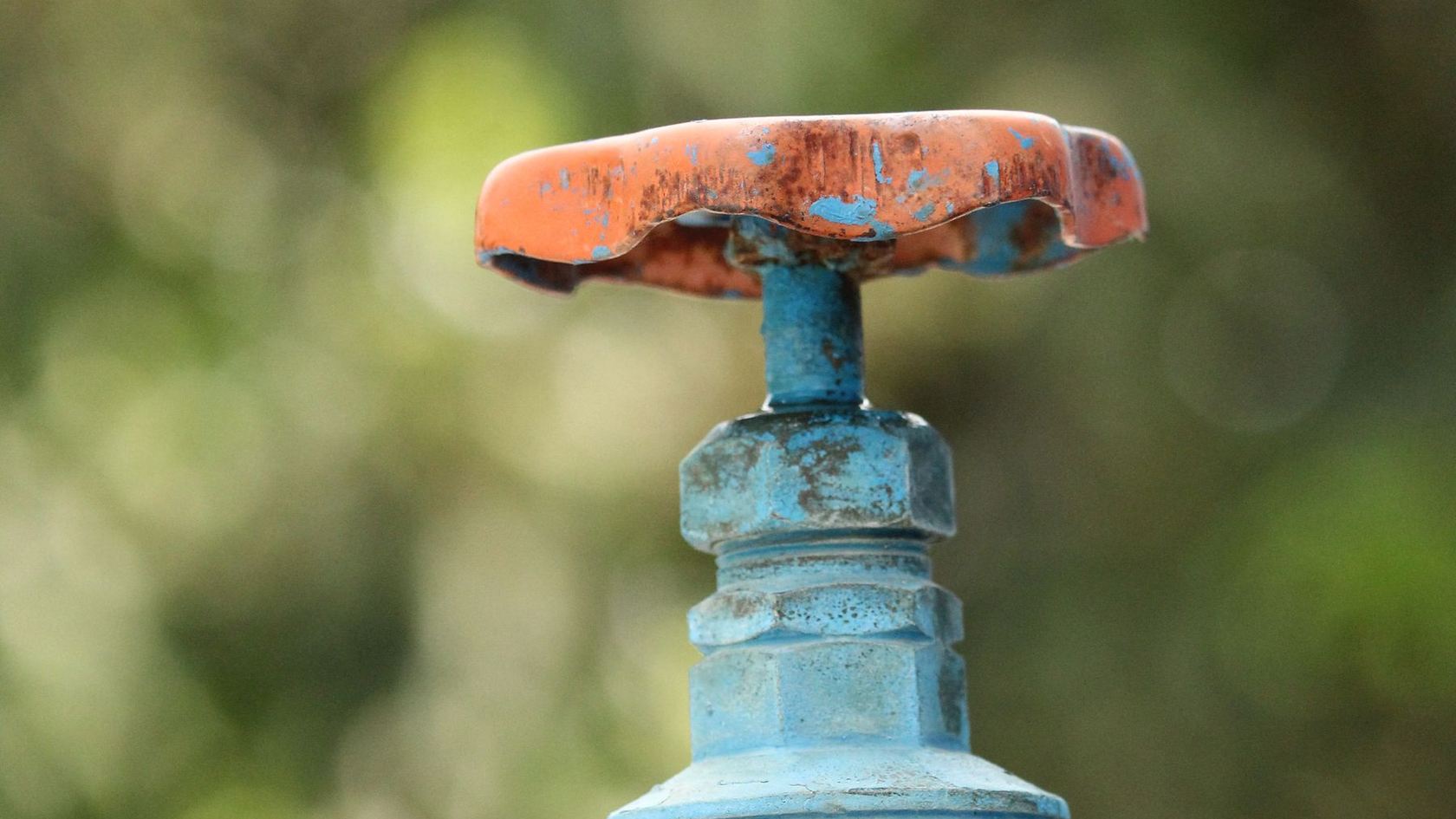
Most people find out where their main shut-off is during the emergency. Standing in water, phone in one hand, is a bad time to be learning the layout of your own house.
This is a ten-minute job. Do it this weekend and you will never need to think about it again.
Where it usually is
In most Greater Victoria homes the main shut-off is on the incoming water line, near where it enters the house, on the side of the house facing the street.
Common locations:
- In the basement or crawlspace, on the wall nearest the street
- In a utility or mechanical room, near the hot water tank
- In the garage, particularly in newer builds
- Under the kitchen sink in some smaller homes and older builds
- In a closet that was framed around it at some point afterwards
There is also a shut-off at the water meter, usually in a covered box at the property line. That one is the utility's, it often needs a special key, and it is the backup rather than the one you should be reaching for.
If you are in a condominium or townhouse, your unit will normally have its own shut-off, often in a service cupboard or above a ceiling access panel. Worth locating, and worth knowing who to call for the building's main.
What you are looking for
Two kinds of valve.
A gate valve: a round wheel-shaped handle you turn several full rotations clockwise to close. Older, and the type most likely to seize.
A ball valve: a straight lever you turn a quarter turn. When the lever is in line with the pipe it is open; across the pipe, closed. Newer, more reliable, and the type you want.
Test it, do not just find it
This is the part people skip, and it is the part that matters. A valve you have located but never operated is a valve you are assuming will work.
How to test it safely:
1. Turn the valve fully closed
2. Go and open a tap somewhere in the house: the flow should stop within a few seconds
3. Close the tap and open the valve again, fully
4. Check around the valve for any weeping over the next day
If it will not turn, do not force it. An old gate valve that has not moved in fifteen years can snap or split at the stem, and you will have converted a job you were planning into a flood you were not. Stop and call.
If it is seized, weeping, or you cannot find one
All three are worth sorting out, and none of them is a large job.
A seized main shut-off is the difference between a small leak and a flooded floor, because the first thing anyone does in a plumbing emergency (including us) is shut the water off. If that valve does not turn, everything after it is worse.
Replacing a main shut-off is routine work. It usually means shutting the water off at the meter for the duration, and it is normally done in a single visit.
While you are down there
Two other things worth looking at in the same ten minutes.
Fixture shut-offs. The small valves under sinks and behind toilets. If one of those works, you can isolate a problem without shutting off the whole house. They seize too.
Your hot water tank. Check the base for any moisture or staining, and note how old it is. Tanks give warning before they fail.
Getting a seized valve dealt with
Call or text (250) 888-5922. Blue Heron is owner-operated and one licensed plumber does every job. Jayden is a Journeyman Plumber and Class B Gas Fitter. Estimates are free. Reachable 8:00am to 8:00pm, seven days.
Serving Victoria, Saanich, Oak Bay, Esquimalt, View Royal, Colwood, Langford, Sooke, Sidney and the Saanich Peninsula.